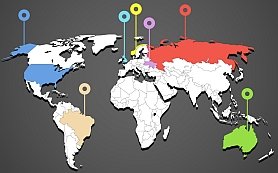
In today’s always-connected world, customers expect to reach your business easily—no matter where they are. Whether you’re a fast-growing startup in New York or a multinational brand serving clients across Europe, Asia, and Latin America, inbound calling plans make global communication seamless, affordable, and professional.
Let’s break down what inbound calling plans are, how they work, and why they’ve become a must-have for modern businesses that want to sound local—even when they’re operating globally.
What Are Inbound Calling Plans?
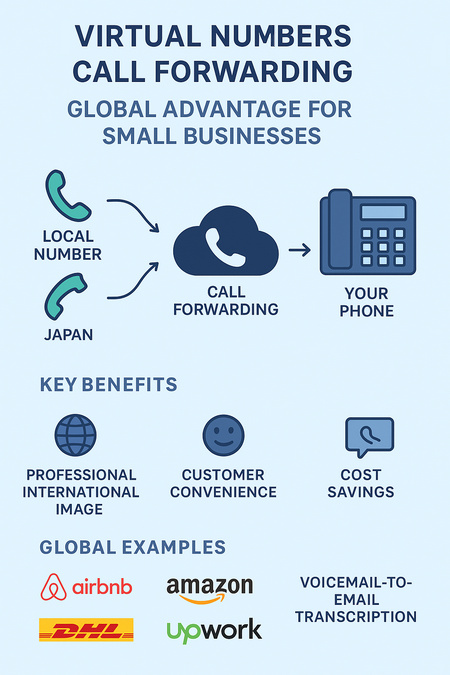
At their core, inbound calling plans are services that allow you to receive calls from customers in different countries through virtual phone numbers. These numbers can be local, toll-free, national, or mobile-based, depending on your needs.
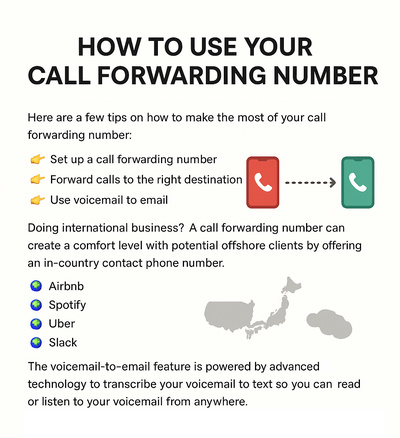
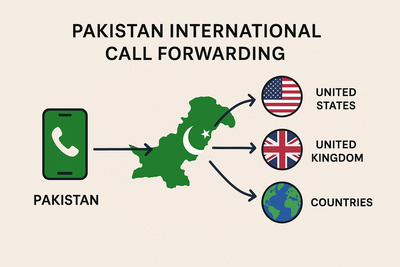
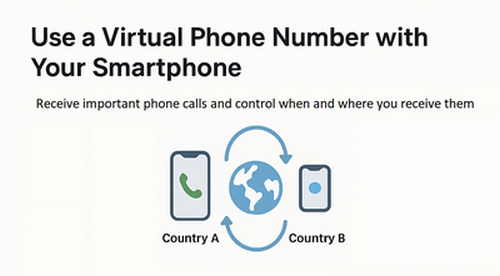
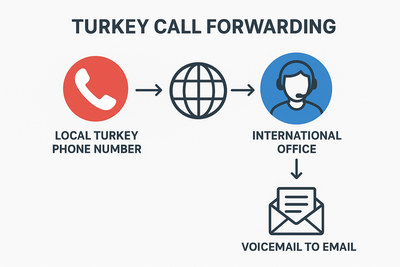
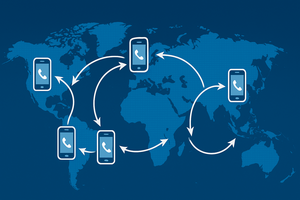
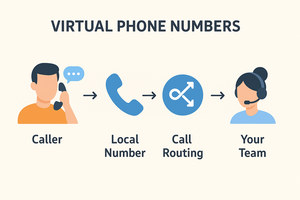
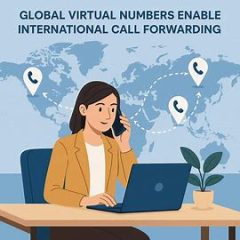
Instead of setting up physical offices or phone lines in every country you serve, you simply rent a virtual number in that region. When a customer dials that number, the call is forwarded to you—wherever you are in the world.
It feels like magic from the caller’s perspective. They’re dialing a local or familiar number, but the call might be ringing on your mobile phone, office desk phone, softphone app, or even a cloud-based SIP system halfway across the globe.
What to Know About Inbound Calling Plans
Here’s the key concept you’ll see with most providers:
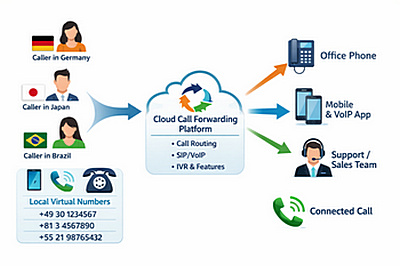
Our inbound calling plans allow you to choose a local, toll-free, national, or mobile number from your desired country. This gives you the capability to receive calls from customers in that country through this phone number. You can forward these incoming calls to a different location, device, or SIP address of your choice and receive calls there.
In practical terms, this means:
- 🌍 You can establish a “local presence” in multiple countries
- 📞 You can route calls to your main office, remote teams, or outsourced call centers
- 🔄 You can change forwarding destinations instantly—no hardware required
Why Businesses Love Inbound Calling Plans
Let’s be honest: customers are far more likely to call a local or toll-free number than an expensive international one. That single detail can be the difference between a missed opportunity and a new client.
Here’s why inbound calling plans are such a game-changer:
Key Benefits at a Glance
- 📌 Local Trust – A local number builds confidence and credibility with international customers
- 💰 Lower Costs – Callers avoid international fees, making them more likely to reach out
- 🧳 Remote-Friendly – Perfect for distributed teams and work-from-anywhere setups
- ⚡ Instant Setup – Numbers can often be activated in minutes
- 🔊 Professional Call Handling – Pair with IVR, call recording, and analytics
Types of Numbers You Can Choose From
One of the most powerful features of inbound calling plans is flexibility. You’re not limited to just one kind of number.
Here’s what most providers offer:
- 🌐 Local Numbers – Appear as standard regional phone numbers in a specific country or city
- 🆓 Toll-Free Numbers – Free for callers, ideal for customer support and sales lines
- 🏳️ National Numbers – Country-wide numbers not tied to a specific city
- 📱 Mobile Numbers – Useful for SMS and mobile-first communication strategies
Each type serves a different business goal, but they all connect back to the same place: you.
How Call Forwarding Actually Works (Behind the Scenes)
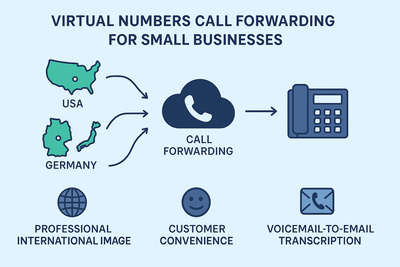
Let’s say you run a company based in Chicago, but you want customers in Germany to call you easily.
Here’s what happens:
- You purchase a German virtual number
- A customer in Berlin dials that number
- The call is routed through the provider’s cloud system
- The call is forwarded to your chosen destination (your US office, a VoIP app, or SIP trunk)
- You answer the call like it’s local
From the caller’s point of view, they never left Germany.
Must-Have Features in Modern Inbound Calling Plans
Not all inbound calling plans are created equal. The best ones go far beyond simple forwarding.
Look for features like:
- 🎛️ IVR Menus – “Press 1 for Sales, Press 2 for Support”
- 📊 Call Analytics – Track call volume, answer rates, and performance
- 🎧 Call Recording – Useful for training and compliance
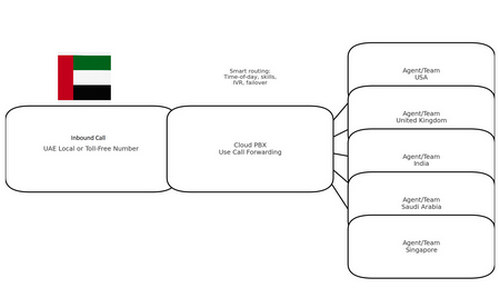
- 🔀 Time-Based Routing – Send calls to different teams based on business hours
- 🧠 Smart Call Distribution – Route to the least busy or most qualified agent
- 🔗 CRM Integration – Automatically log calls in your sales or support system
These features turn a basic phone number into a full-blown global communication platform.
International Companies That Use Global Virtual Phone Numbers
You might be surprised how many household names rely on inbound calling plans to serve international customers. Here are some real-world examples of companies that use global virtual phone numbers as part of their daily operations:
Global Brands Using Virtual Numbers
- 🌍 Amazon – Uses regional support numbers across North America, Europe, and Asia
- ✈️ Airbnb – Routes international guest and host calls through virtual phone systems
- 🏨 Booking.com – Offers localized customer service numbers in dozens of countries
- 🚗 Uber – Masks driver and rider phone numbers using virtual calling systems
- 💳 PayPal – Provides country-specific support lines routed to global support centers
- 🛒 Shopify – Uses toll-free and local numbers for international merchants
- 📦 DHL – Manages logistics support through regional virtual numbers worldwide
- 🧑💼 Salesforce – Operates global sales and support teams using cloud-based calling
These companies use inbound calling plans to maintain a “local feel” while operating at a massive global scale.
Who Should Use Inbound Calling Plans?
You don’t need to be a Fortune 500 company to benefit. In fact, small and mid-sized businesses often see the biggest impact.
Perfect for:
- 🚀 SaaS Companies expanding into new markets
- 🏢 Professional Services (legal, financial, consulting) with international clients
- 🛍️ E-commerce Brands offering global customer support
- 🏥 Healthcare & Compliance Services serving cross-border clients
- 📈 Marketing Agencies running international campaigns
If your customers are in more than one country, inbound calling plans are worth serious consideration.
Cost Considerations: What You’ll Typically Pay For
Pricing varies by provider and country, but most plans include:
- 💵 Monthly Number Rental Fee (per virtual number)
- 📞 Per-Minute Charges (beyond included plan minutes)
- ⚙️ Feature Add-Ons (recording, analytics, CRM integration)
The good news? Even with these costs, it’s usually far cheaper than setting up physical offices or international phone infrastructure.
Security and Compliance Matters
For industries like healthcare, finance, and legal services, inbound calling plans can still be compliant—if you choose the right provider.
Look for:
- 🔒 Encrypted Call Routing
- 🛡️ Data Privacy Controls
- 📜 Compliance Support (HIPAA, GDPR, SOC 2, PCI, etc.)
- 🧾 Call Access Logs and Audit Trails
This ensures your global communications remain both professional and secure.
The Future of Inbound Calling Plans
As AI and automation continue to evolve, inbound calling plans are getting smarter.
Trends to watch:
- 🤖 AI Call Routing and Voice Bots
- 🌐 Deeper CRM and Helpdesk Integrations
- 📱 Omnichannel Support (Voice + SMS + WhatsApp + Chat)
- 🧠 Real-Time Call Transcription and Sentiment Analysis
Soon, your inbound calling system won’t just route calls—it’ll help you understand and serve customers better than ever before.
Final Thoughts
Inbound calling plans are no longer just a “nice-to-have.” They’re a strategic tool for any business that wants to grow beyond borders without losing the personal, local touch customers expect.
By choosing the right mix of virtual numbers, call forwarding, and advanced features, you can build a global communication presence that feels simple, professional, and surprisingly human.
If your goal is to sound local, act global, and stay flexible—inbound calling plans might just be one of the smartest investments you make this year.